


Latest news
View all
Joyce University of Nursing and Health Sciences announced on Oct. 26, 2026, that it has promoted Chief Operating Officer Dr. Patrick Rombalski to president. Rombalski, who joined the university earlier this year, will report to CEO Josh Knotts and lead efforts to build on record enrollment, expand into new states, and advance innovative nursing education, including the launch of BSN90, the nation's first accredited 90-credit BSN pathway. He brings nearly three decades of higher education experience, including as COO of Chamberlain University and senior roles at Boston College and John Carroll University. He holds a Doctor of Education from the University of Pennsylvania.
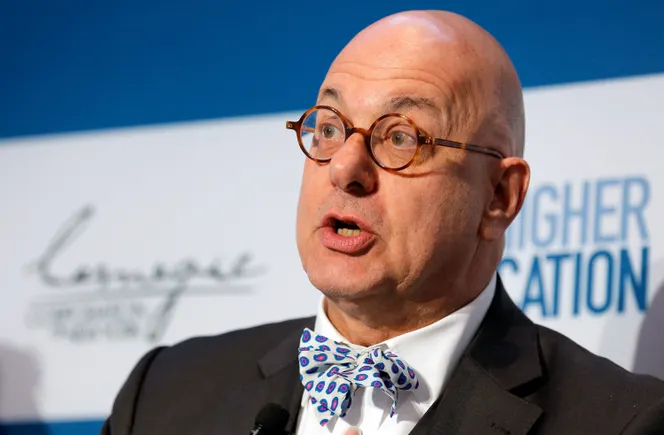
An independent audit commissioned by Bard College has raised doubts about the authenticity of a 2014 email exchange between former president Leon Botstein and Jeffrey Epstein. The audit, conducted by FTI Consulting, found the emails to be 'highly suspicious' and cited inconsistent formatting and timestamps, as well as the absence of the emails on Bard's servers since 2017. The emails were cited by Democratic lawmakers as evidence that Botstein may have participated in Epstein's abuse. Botstein has denied writing the emails. The audit did not address other allegations in Rep. Jamie Raskin's letter, including Title IX interference and protection of sexual predators on the faculty. Botstein resigned as president this summer amid scrutiny over his relationship with Epstein.

Pomona College and Claremont Graduate University announced a deal for Pomona to become CGU's parent institution by June 2027. Pomona will have governance authority over major decisions, but CGU will remain a distinct institution with its own board. CGU faces enrollment declines and a $7.8 million budget deficit, and is restructuring academics and offering voluntary buyouts. Pomona will provide financial and strategic expertise without taking on CGU's debts or funding its operations. The deal awaits regulatory and accreditor approval.
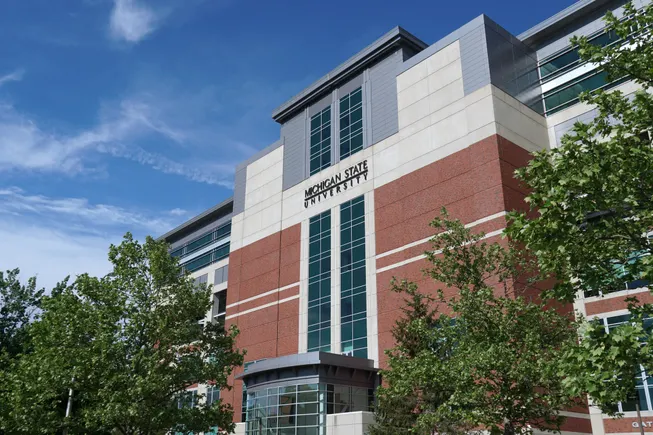
Preliminary data from the Michigan Association of State Universities show fall 2026 enrollment at Michigan's 15 public universities dropped by 5,223 students, or 2%, to 254,107, the lowest total in at least a decade. Only the University of Michigan, UM-Flint and Wayne State University avoided declines. The losses erase recent gains and come as the state's high school graduate population is projected to fall by a fifth from 2023 to 2041.
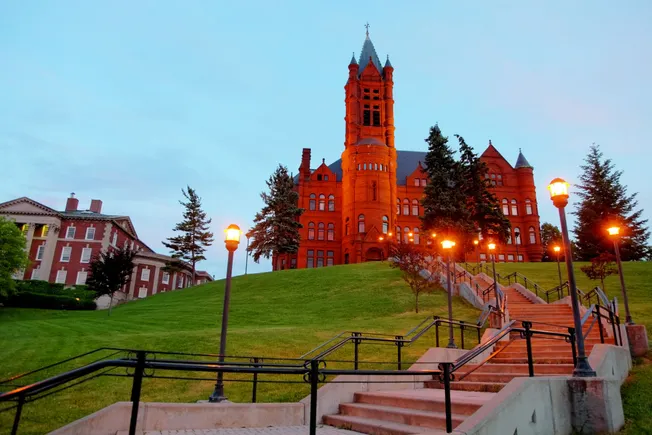
Syracuse University Chancellor J. Michael Haynie announced plans for an administrative portfolio review of executive and administrative staff roles to address a projected deficit. The review is compared to a recent academic portfolio review that resulted in cutting 93 programs. The university is still in early stages of designing the review, which aims to ensure administrative offices are sized and organized for the university's future. This follows a 3.5% enrollment drop in fall 2025 and a 1.5% operating deficit, with Haynie describing the fiscal situation as 'far from a crisis.'

At the National Association for College Admission Counseling conference, admissions officials from Rice University, the University of Michigan, and the University of Georgia discussed their approaches to supplemental essays and materials. Rice requires three additional writing prompts and a creative image, while Michigan requires multiple essays and a portfolio for its business school, investing significant time and money in review. Georgia, however, is eliminating its supplemental essay for fall 2027 and beyond to ease the burden on staff and applicants. All three institutions do not use AI to read applications or AI detection software, citing concerns about false positives and the reflective nature of essay writing.

A report released Monday by the RAND Corporation found that 66% of high school students from middle-income families said educators strongly emphasized four-year colleges when discussing future paths, but only 11% of students mentioned community colleges, 16% mentioned technical training and apprenticeships, and 17% mentioned full-time work. Based on three national surveys of district leaders, principals, and students conducted during the 2025-26 school year, the report reveals a mismatch between school guidance and students' actual needs.

Preppy (a StraighterLine company) and the University of Missouri–St. Louis (UMSL) have announced a partnership to provide self-paced online allied health training programs through UMSL's Advanced Workforce Center, covering areas such as medical assisting, surgical technology, sterile processing, and medical billing and coding, aimed at meeting Missouri's growing workforce demands.
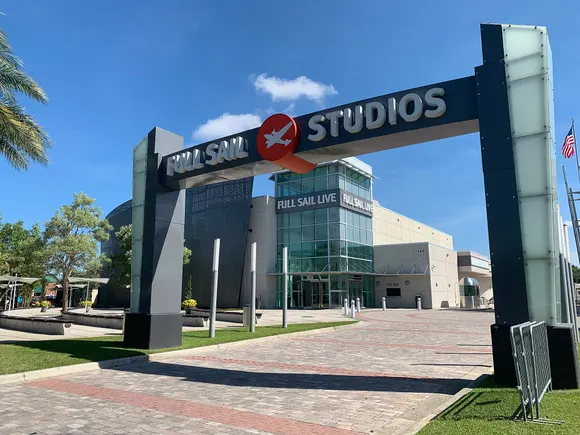
Full Sail University recently implemented a restructuring, cutting 180 positions across academic, administrative, and operational areas. A university spokesperson stated that changes in workflows, enrollment patterns, and technology prompted the staffing adjustments. This layoff comes just over a year after the previous reduction of 120 employees, but the university emphasized its continued commitment to providing a quality educational experience.
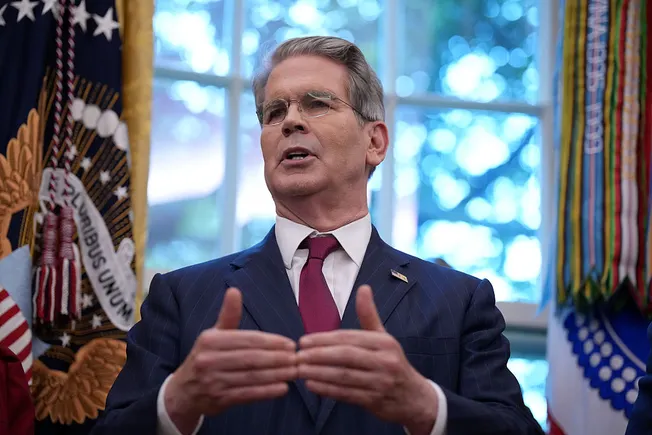
The U.S. Treasury proposed a rule on Thursday to tighten the definition of racial discrimination in tax-exempt status for private colleges, treating DEI programs as violations of civil rights law. If ultimately approved, colleges could be stripped of tax-exempt status due to DEI work, impacting their financial stability. The proposal has already drawn criticism from education circles and tax policy experts.
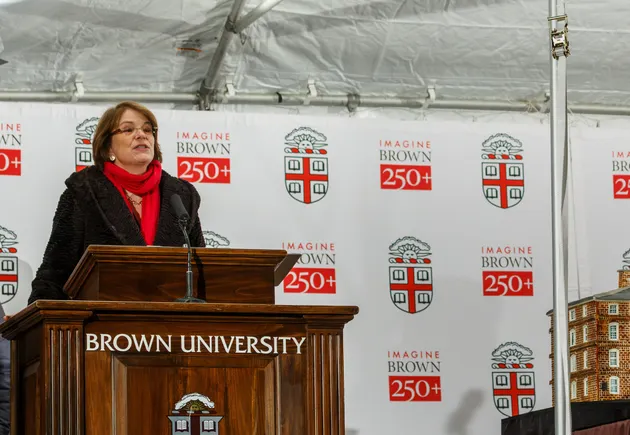
In August, leadership changes at U.S. universities were frequent: Brown University President Christina Paxson announced she would step down in 2027, and University of Texas at Arlington President Jennifer Cowley will transition to a faculty position; meanwhile, the presidents of Broward College and Arkansas Baptist College left due to conflicts.