


Finance
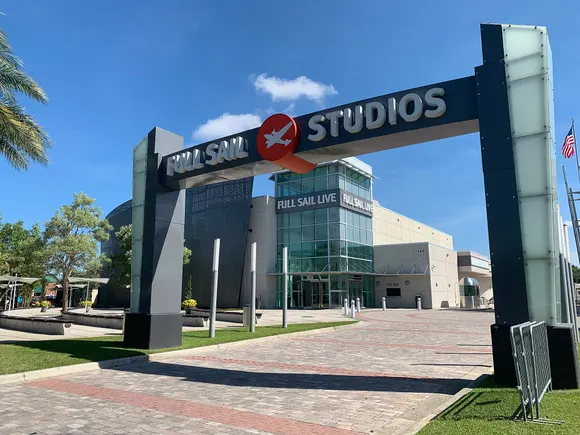
Full Sail University recently implemented a restructuring, cutting 180 positions across academic, administrative, and operational areas. A university spokesperson stated that changes in workflows, enrollment patterns, and technology prompted the staffing adjustments. This layoff comes just over a year after the previous reduction of 120 employees, but the university emphasized its continued commitment to providing a quality educational experience.
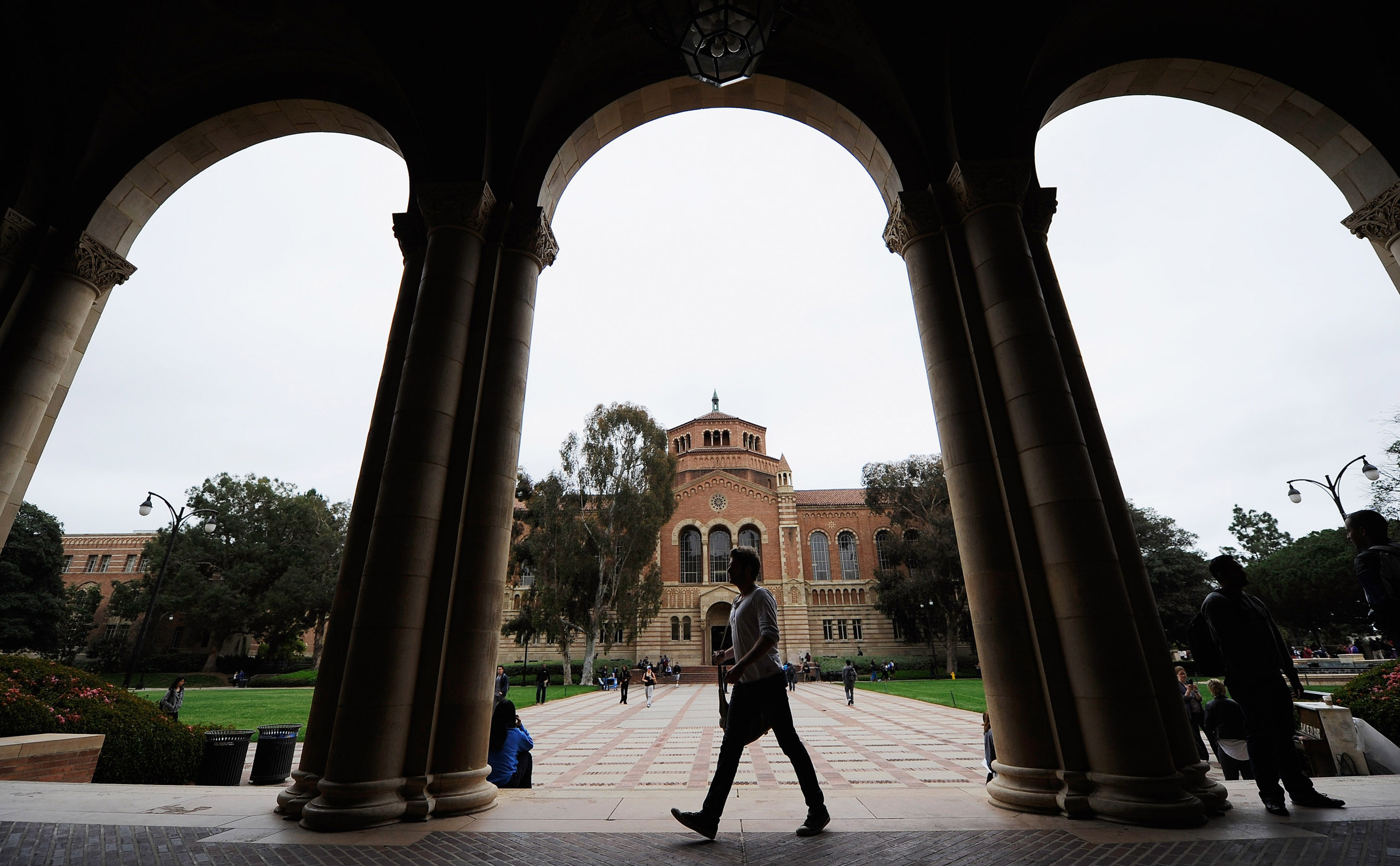
As drought warnings are issued across many parts of the United States, campus facilities management teams are actively upgrading water resource management systems and irrigation practices. Auburn University is strengthening water conservation in coordination with municipal water restrictions, Western Washington University plans to install water meters and evaluate the use of reclaimed water, the University of Utah continues to reduce water consumption, and Texas A&M International University achieves annual water savings of over 24.8 million gallons through smart systems.

East Carolina University (ECU) announced an $8.5 million budget cut for this fiscal year, continuing its plan to save $25 million over three years. The cuts include reviewing academic and doctoral programs, merging the alumni affairs and development offices, and adjusting human resources, information technology, and research departments. Previously, the university saved over $6 million by eliminating approximately 44 academic programs. The university stated that these measures aim to proactively address financial pressures while protecting its core mission. Despite declining enrollment and reduced revenue, ECU has recently seen an uptick in enrollment, signaling a positive outlook for the future.
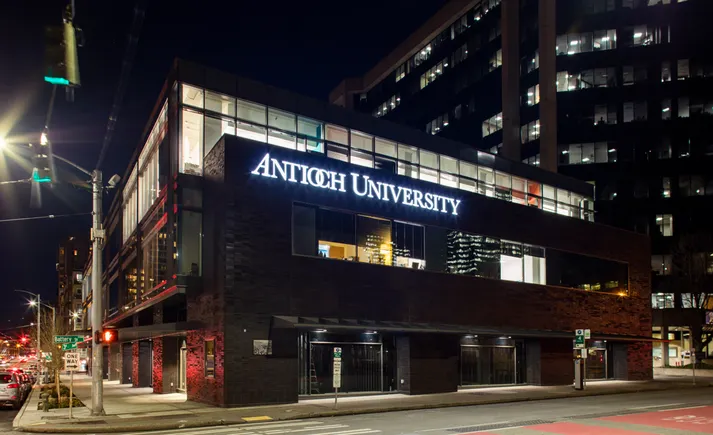
The conflict between Antioch University and the Common Interest Alliance (CCG) has escalated. The CCG executive committee voted on August 28 to dissolve Antioch's board and take over its bank accounts, prompting Antioch to sue and secure a temporary court injunction. The dispute involves contractual authority, financial issues, and leadership conflicts.
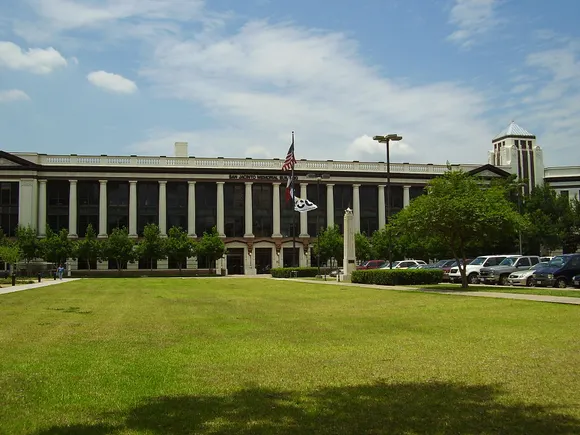
Houston Community College (HCC) system leaders will present a report at Wednesday's board meeting, calling for increased funding for deferred maintenance to address approximately 450 repair and upgrade needs totaling nearly $80 million. Although facilities are in good condition, the maintenance backlog far exceeds annual funding levels.
PayPal and its peer-to-peer payment tool Venmo have completed integrations with three university payment technology companies, allowing students and parents at some U.S. universities to now pay tuition directly via Venmo or PayPal. This marks the first time this payment method has been directly integrated into official school payment portals.
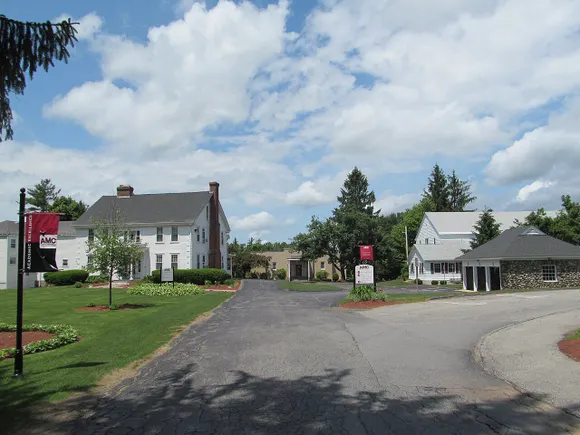
Anna Maria College, a Massachusetts institution that closed after the spring term due to financial duress, has filed court documents seeking approval to sell its nursing program assets to nearby Assumption University for $1.1 million. The private sale, requested for Sept. 30, aims to transfer 45 nursing seats so students can continue this fall. The college also plans to sell real estate to cover $17.7 million in secured debt.

Westcliff University, a California for-profit institution, has acquired Pacific College, a nursing-focused college, to enhance its healthcare education offerings. The acquisition, announced on Aug. 14, aligns with state projections of a nursing shortage exceeding 61,000 registered nurses by 2033. Pacific will retain its name, faculty, and staff, as per a May letter from its president. Westcliff, which has seen enrollment nearly triple since 2019, aims to leverage Pacific's strengths while integrating it into its broader academic community.
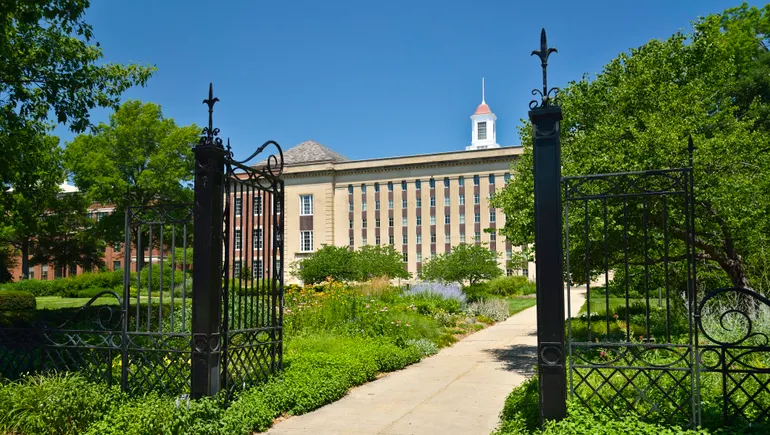
The University of Nebraska Board of Regents approved the elimination of multiple academic programs across its system, including bachelor's degrees in ethnic studies and insect science at the Lincoln campus, due to persistently low enrollment and graduation rates that failed to meet state requirements. The decision, made Thursday, also affects graduate programs at Kearney and Omaha campuses, and follows a series of budget-driven cuts last year.