


State Policy

A working paper released by the National Bureau of Economic Research in May shows that Tennessee's Promise program, while increasing enrollment and graduation rates, has achieved fiscal self-sufficiency due to increased earnings of graduates. The program is the first statewide tuition-free community college initiative in the United States, and the study describes it as 'self-sustaining.'
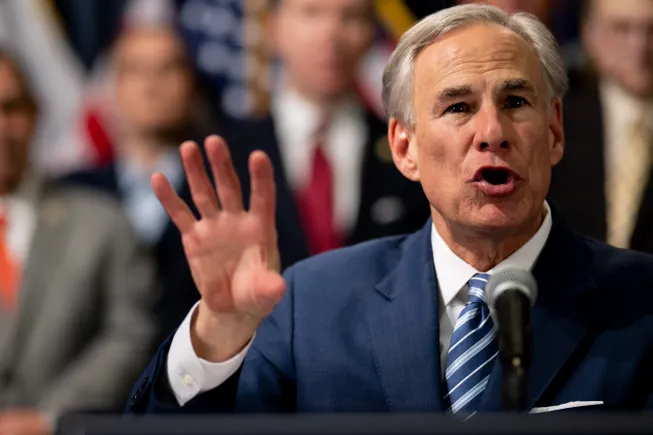
Texas Governor Greg Abbott on Wednesday directed the state's Higher Education Coordinating Board to form a working group to study the feasibility of three-year bachelor's degree pathways, with recommendations due by the end of the year. The move is primarily driven by cost considerations and aligns with new explorations of compressed degree timelines in multiple states across the nation.

UT Austin plans to overhaul its core curriculum, reducing credit hours and focusing on Western civilization, U.S. history, and other broad topics. The new courses will be piloted in fall 2027 and fully available by fall 2028, following a task force review and in response to state legislation SB 37.
The Heritage Foundation released a comprehensive model bill on Tuesday, aimed at helping state legislators implement the higher education contract principles proposed by the Trump administration last year. Building on institutional neutrality and bans on race-based scholarships, the bill further proposes restricting student visa processing, increasing state influence over faculty hiring, and potentially holding colleges accountable for federal debts of students who fail to graduate within eight years.
The American Association of University Professors (AAUP) and four professors filed a lawsuit on Monday, alleging that the Texas A&M University System's policy restricting race and gender teaching violates professors' free speech and due process rights, and are asking a federal judge to block the policy and restore canceled courses. The system revised its policy last fall, prohibiting courses that 'advocate for racial or gender ideologies,' but allowing certain graduate and non-core courses to be taught with presidential approval.
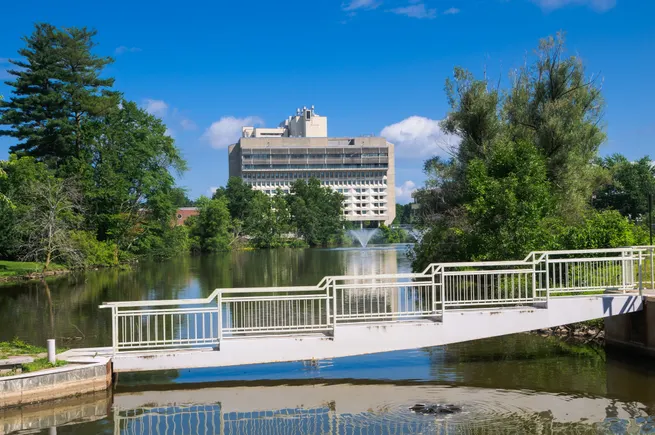
Massachusetts announced this month that it will distribute $23 million in clean energy grants to nine public colleges and state facilities through the 'Leading by Example Decarbonization Implementation Plan,' covering projects such as geothermal system connections and energy efficiency retrofits, expected to reduce greenhouse gas emissions by 21,000 tons annually and lower long-term costs for taxpayers.
After the implementation of Texas community college performance-based funding model (HB 8), student outcomes exceeded expectations, leading to a state funding shortfall. The coordinating board's formula adjustments may reduce fiscal year 2027 appropriations. College leaders praised the model at a Senate hearing but requested supplemental appropriations from the legislature and improvements to the forecasting model.