


Deep Dive
来自我们记者的行业洞察

In 2021, Vermont launched the 802 Opportunity Grant, providing free community college tuition to students from families with annual incomes below $50,000. In the first year, 2,000 students benefited, with a 10% increase the following year. As the federal free community college plan stalled, states have been advancing similar programs on their own, such as Michigan and Connecticut, and are considering expanding eligibility. Experts note that while free college programs have a long history, their design must align with goals, and most are "last-dollar" scholarships.

Although work colleges in the United States are few in number, they have a long history, requiring students to participate in work-study programs that build experience while offsetting tuition. Using Sterling College as an example, this article analyzes the model's advantages, its applicability to adult learners, and the challenges of expansion, citing a report from the American Council on Education to offer recommendations for scaling.

As the impact of the COVID-19 pandemic gradually fades, higher education in 2023 will focus on new issues: reform of the federal financial aid system, judicial battles over student loan forgiveness, Supreme Court rulings on race-conscious admissions policies, the trust crisis in U.S. News rankings, a wave of college mergers, continued enrollment declines, and scrutiny of online program management (OPM) companies.
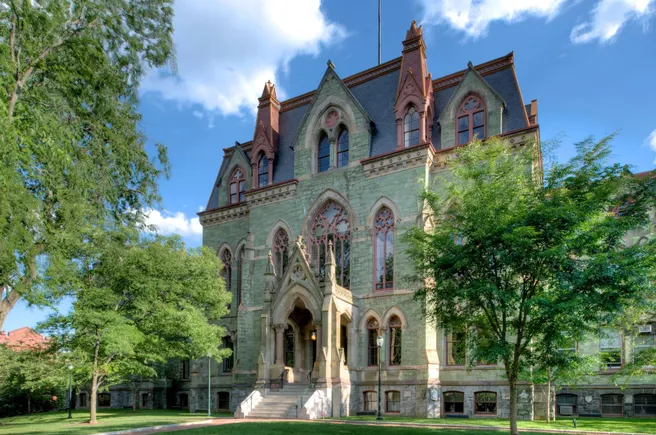
The University of Pennsylvania announced that it will eliminate the enrollment deposit starting with the fall 2023 admission cycle to reduce the financial burden on students from low-income families. This move aligns with practices at Ivy League institutions such as Brown, Harvard, and Yale, reflecting a re-examination of economic barriers in the admissions process within higher education.
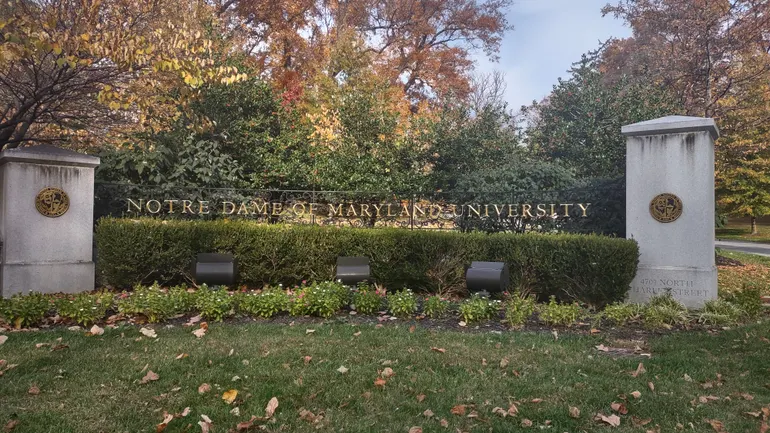
Since the 19th century, the number of women's colleges in the United States has plummeted from hundreds to 35 in 2021. To address enrollment crises, some colleges have turned coeducational, such as Mills College merging into Northeastern University and Notre Dame of Maryland University announcing the admission of male students in 2024. Supporters argue this brings financial improvements and curriculum expansion, while opponents worry about mission dilution. Through case studies and expert opinions, this article analyzes the pros and cons of this transformation.

Over the past decade, online program management companies (OPMs) such as 2U experienced rapid growth, but recently many companies have faced multiple challenges including declining revenue, customer attrition, and regulatory scrutiny. Industry observers believe this may signal an impending transformation and reshuffling across the higher education sector.


Fraternity chapters at universities such as the University of Southern California have recently severed ties with their schools one after another, forming their own alliances. Behind this phenomenon lies the weakening of universities' control over student organizations, as well as the resulting campus safety and governance challenges.
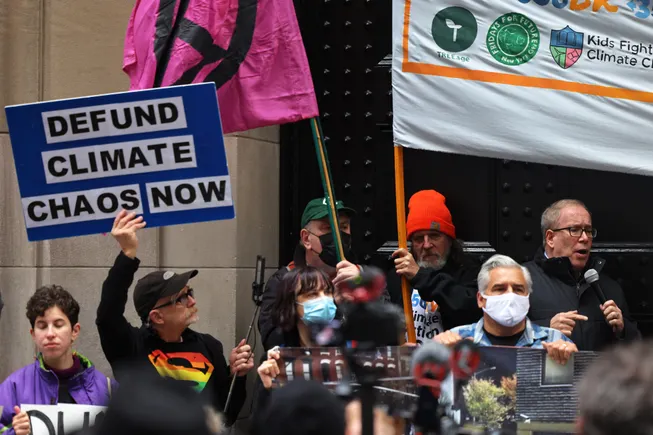
Last year, about 20 universities announced divestment from the fossil fuel industry, and momentum has slowed this year, but experts believe divestment pressure has not subsided. Factors such as market volatility, political backlash, supportive financial data, and student activism are intertwined, making universities more cautious or strategic on the divestment issue. This article synthesizes multiple perspectives to analyze the prospects for divestment.