


Latest news
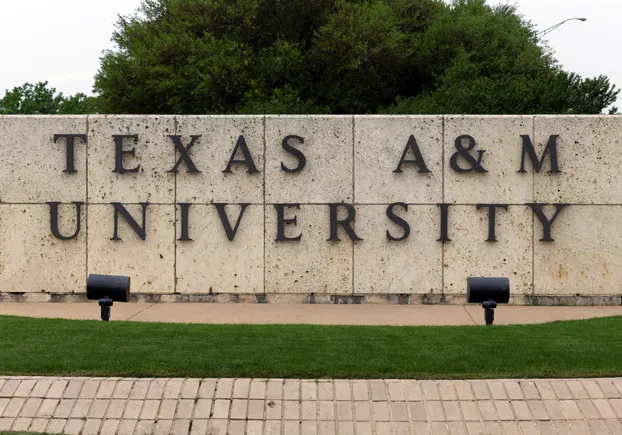
In early October, long lines formed on the Texas A&M University campus as hundreds of students and approximately 400 faculty and staff received AI tool training from Google employees. This is part of Google's three-year, $1 billion AI education program, with the Texas A&M University System being one of over 200 institutions participating. The article provides an in-depth analysis of the motivations behind this collaboration, the teaching value of AI tools, and concerns within the education community about AI's potential impact on cognitive abilities.
This podcast series consists of three episodes, focusing on the significant changes in higher education learners over the past five years, as well as upcoming regulatory requirements for accessibility. The series explores how colleges and universities use digital content and tools to improve student accessibility, enhance engagement, and build overall learning advantages. The second episode discusses how AI tools are reshaping higher education, while the first episode focuses on optimizing digital learning experiences to meet student accessibility needs.
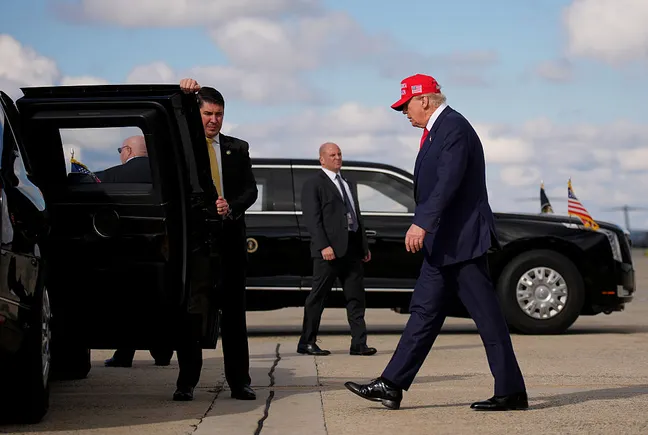
U.S. President Donald Trump signed an executive order on August 7 requiring political appointees at federal agencies to review research funding projects to ensure they align with the government's 'priorities and national interests' and to avoid funding projects that recognize concepts beyond the gender binary or promote 'anti-American values.' Experts warn that this move will bypass peer review, potentially stifle scientific innovation, diminish the U.S. scientific standing, and affect the next generation of scientists.
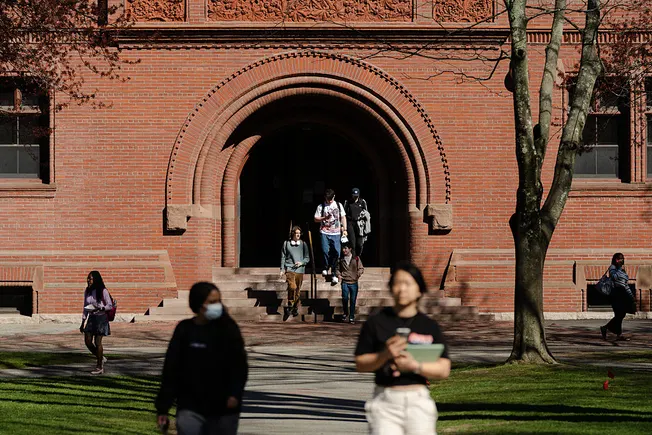
Harvard University won its lawsuit in September, restoring approximately $2.2 billion in federal funding and temporarily thwarting the Trump administration's approach of using civil rights investigations to pressure universities. However, the administration has filed similar allegations against multiple universities, including seeking a $1.2 billion settlement from UCLA. Legal experts are engaged in heated debate over whether the administration is abusing Title VI of the Civil Rights Act.
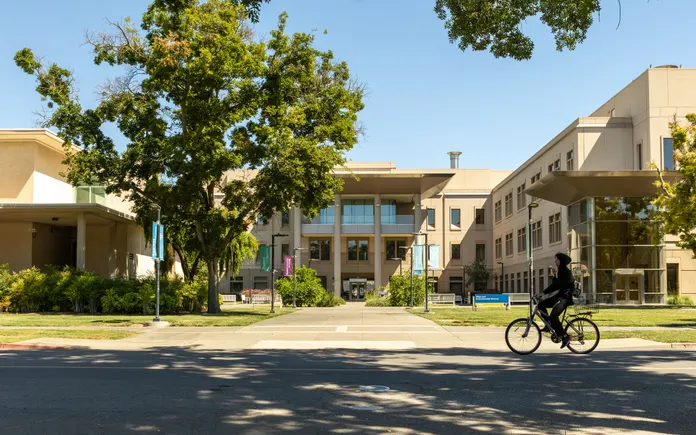
American higher education is facing skepticism from all sides, but public universities remain engines of individual success and national prosperity. UC Davis Chancellor Gary May points out that universities need to increase transparency and support in admissions, return on investment, and debt issues, while resisting polarizing rhetoric to safeguard educational investment.
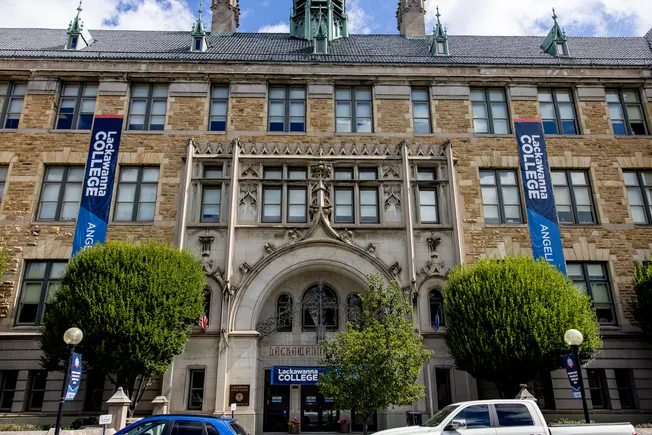
Lackawanna College President Jill Murray uses the merger of her college with Pierce College as an example to illustrate how higher education can achieve transformation through collaboration amid regulatory, financial, and enrollment pressures. She highlights three key points: mission alignment, intentional growth, and embracing innovation, emphasizing that institutions must proactively break conventions to serve students and communities.
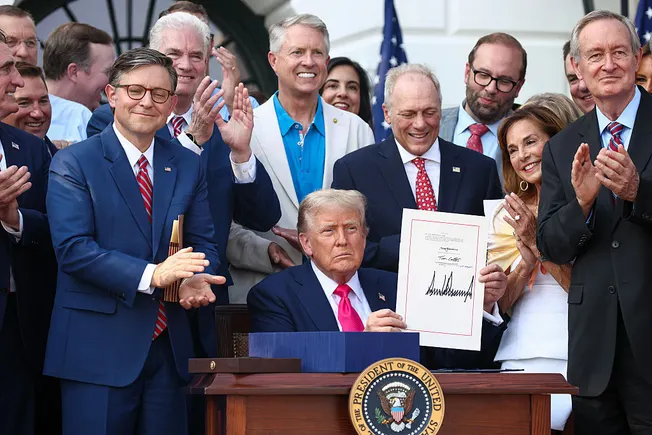
The U.S. Grad PLUS graduate loan program will end for new applicants after July 1, 2026, with a new lifetime borrowing cap. The program previously provided graduate students with uncapped federal loans covering the full cost of attendance. Experts warn that ending the program may make graduate education unaffordable for some students or force them into the private loan market with higher interest rates, potentially affecting graduate enrollment and institutional finances.
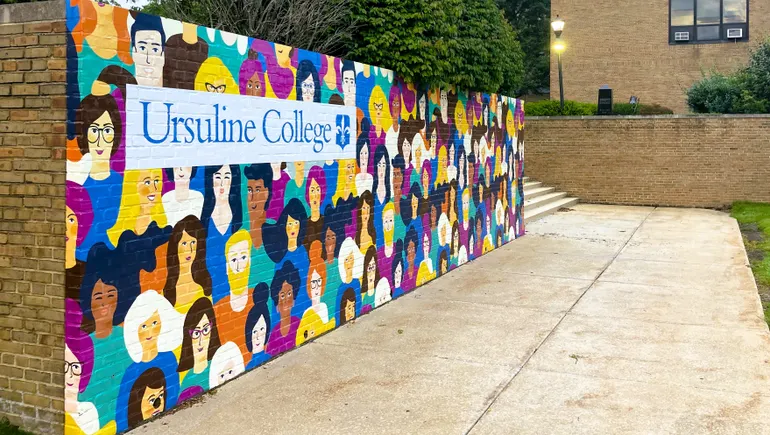
In recent years, multiple Catholic universities in the United States have opted for mergers or partnerships due to demographic shifts and financial pressures. Cases such as St. Ambrose University with Mount Mercy University, and Gannon University with Ursuline College, show that mergers require advance planning, handling cultural and operational integration, and may need larger-scale restructuring to achieve long-term stability.
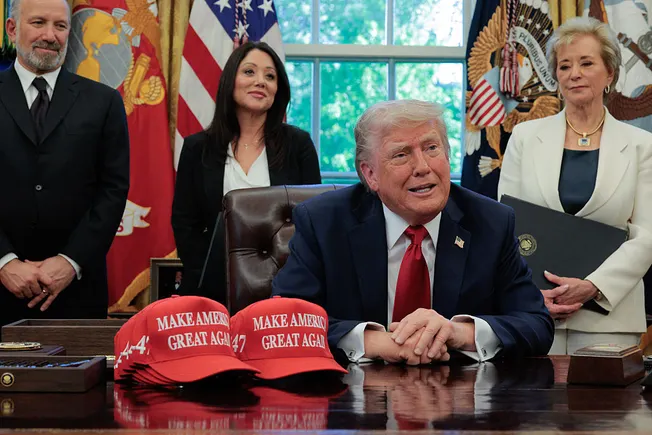
Since Trump returned to office, the U.S. Department of Education has investigated several prominent universities under Section 117 of the Higher Education Act. This law requires federally funded universities to disclose annual contracts and donations from foreign sources valued at over $250,000. In late April 2025, Trump signed an executive order directing Education Secretary Linda McMahon, in coordination with the Department of Justice and other agencies, to enforce Section 117 and link compliance to federal funding eligibility. Experts note that the compliance process is cumbersome and time-consuming, requiring universities to designate dedicated personnel, or they risk funding interruptions. The executive order also invokes the False Claims Act, increasing potential legal liability. Meanwhile, the DETERRENT Act passed by the House proposes lowering the disclosure threshold to $50,000 and adding contract restrictions on "countries of concern," drawing widespread opposition from the higher education community.
The higher education coordination bill recently passed by the U.S. Senate proposes a reform framework addressing issues such as complex student loan repayment, excessive graduate borrowing, and low federal aid eligibility standards. The author of this article believes the bill is a good start, but there is still room for improvement in accountability for high-cost, low-value programs, inclusion of certificate programs, and debt-to-income ratio metrics.