


Latest news

The U.S. Treasury proposed a rule on Thursday to tighten the definition of racial discrimination in tax-exempt status for private colleges, treating DEI programs as violations of civil rights law. If ultimately approved, colleges could be stripped of tax-exempt status due to DEI work, impacting their financial stability. The proposal has already drawn criticism from education circles and tax policy experts.

In August, leadership changes at U.S. universities were frequent: Brown University President Christina Paxson announced she would step down in 2027, and University of Texas at Arlington President Jennifer Cowley will transition to a faculty position; meanwhile, the presidents of Broward College and Arkansas Baptist College left due to conflicts.

Young Americans face a challenging job market, yet many students and parents lack awareness of alternative pathways such as work-based learning or view them as inferior choices. Karen Gardiner, an expert at the Urban Institute, writes that policymakers, educators, and researchers should break the notion that a four-year degree is the only option by showcasing the tangible outcomes of programs like apprenticeships and industry training, helping high school students recognize more viable career development choices.

UPCEA and MIT Professional Education announced a collaboration to host the 'Online Learning Data Institute' on the MIT campus on July 28, 2026, aimed at helping Chief Online Learning Officers transform complex data into institutional strategy. This invitation-only event will bring together industry experts to discuss topics such as rankings, benchmarking, and quality assurance.
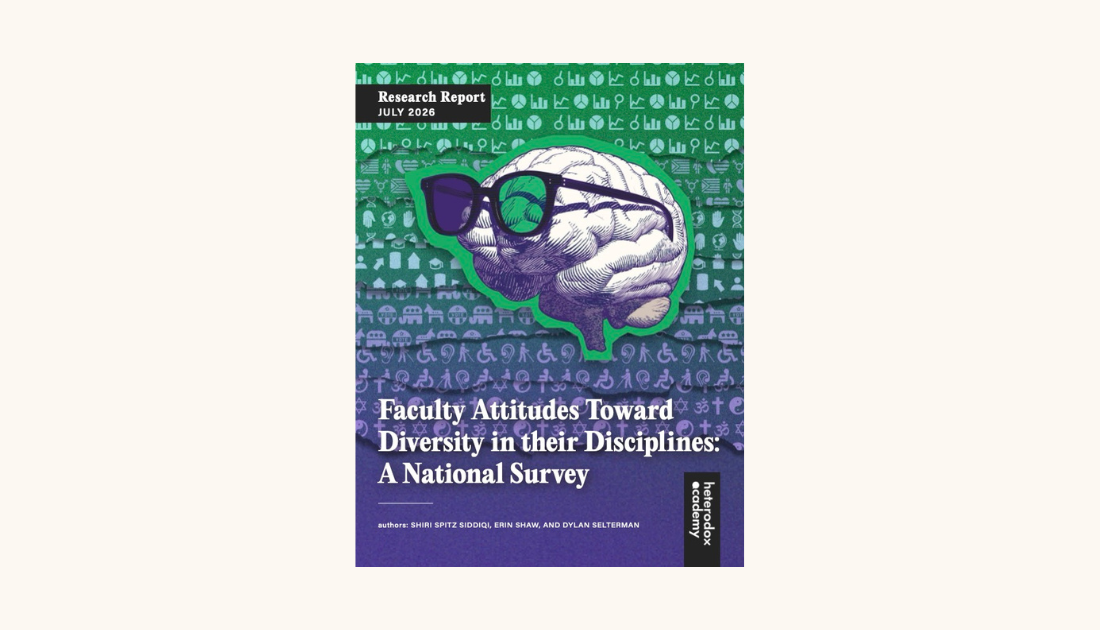
Heterodox Academy (HxA) released "Faculty Attitudes Toward Diversity in Their Disciplines: A National Survey," based on feedback from 3,563 faculty members at 80 institutions collected in collaboration with NORC from November to December 2025, assessing faculty attitudes toward eight dimensions of diversity. Results show that viewpoint diversity receives broad cross-party support, with methodological and theoretical diversity receiving the highest recognition (84%), but nearly 30% of surveyed faculty reported not regularly engaging with those holding different views, and faculty generally underestimate their peers' support for political and religious diversity.
UPCEA released the Digital Learning Enterprise Excellence framework, emphasizing that digital learning should serve as core institutional infrastructure rather than a supplementary function. The framework was developed with participation from over 80 chief online learning officers and endorsed by organizations including 1EdTech, AACRAO, AAC&U, ACE, and EDUCAUSE, calling on higher education institutions to undertake systematic changes in leadership, governance, operations, finance, regulation, and technology.
Raccoon Gang, an EdTech and eLearning development company, announces that it has passed ISO/IEC 27001:2022 certification, which is based on internationally recognized information security management standards, verifying that its processes for protecting client and learner data meet confidentiality, integrity, and availability requirements.

ForteNext announced the general availability of Giving Cloud on July 31, 2026. Built on the Salesforce Commerce platform, the solution integrates alumni donations, merchandise sales, and event registration into a single branded experience, going from launch to live in just three weeks. The platform runs natively on Salesforce, requiring no middleware, with built-in PCI, GDPR, and CCPA compliance controls, and supports integration with third-party services such as Avalara, UPS, FedEx, and Stripe.
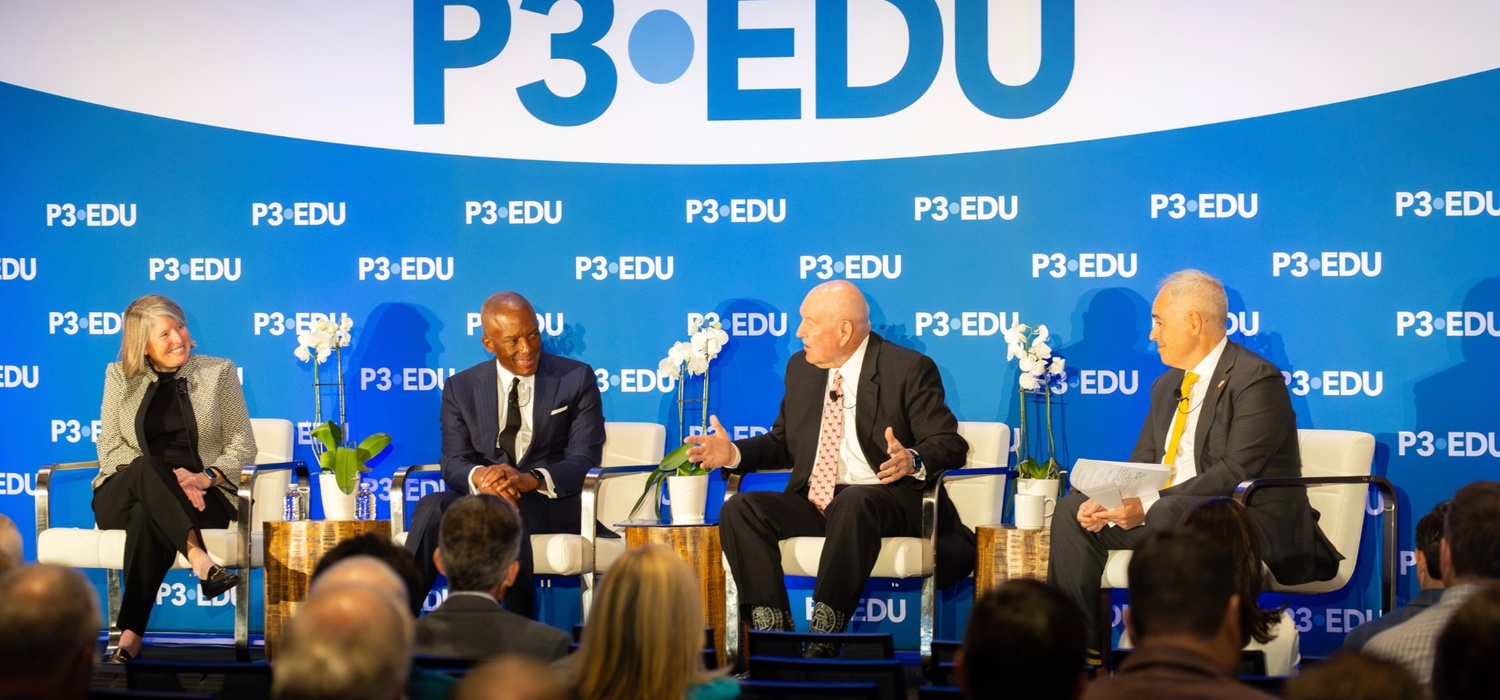
The 2026 Strategic Partnerships Survey, conducted by The Chronicle of Higher Education and P3•EDU, found that strategic partnerships have become a core strategy for universities to respond to financial, demographic, policy, and technological changes. Based on feedback from 418 higher education leaders, the survey shows that over 71% of institutions report increased collaboration with private enterprises, 52% of respondents indicate that federal policies have changed their near-term revenue expectations, and an additional 9% of institutions are exploring structural collaborations such as mergers or alliances.
UPCEA released the 2026 Online Enterprise Benchmark Report on August 17, 2026, showing that digital learning enterprises are undergoing a critical phase of governance centralization, financial expansion, and initial AI integration. The report indicates that 57% of online enterprises report to provosts, with average revenue increasing from $18 million in 2024 to $30.5 million in FY2026, but misalignment remains between financial accountability and authority. The report proposes five strategic recommendations and announces a webinar on August 26.