


Latest news

EdTech company Chegg announced in late October 2025 that it would lay off 388 employees, about 45% of its total workforce, expecting to save up to $110 million in the next fiscal year. The company also announced that after evaluating strategic options, it decided to remain independent and publicly traded, and adjusted its management, with Executive Chairman Dan Rosensweig returning as CEO. This restructuring stems from the impact of artificial intelligence on its traditional tutoring business, and the company plans to pivot toward B2B skills courses.

Overall international student enrollment at U.S. universities remains stable, but new enrollment has already declined. The Trump administration's tightened visa and immigration policies, coupled with the social climate, are prompting universities to adjust recruitment strategies. Experts recommend diversifying source countries and offering flexible enrollment options to address uncertainty.

As drought warnings are issued across many parts of the United States, campus facilities management teams are actively upgrading water resource management systems and irrigation practices. Auburn University is strengthening water conservation in coordination with municipal water restrictions, Western Washington University plans to install water meters and evaluate the use of reclaimed water, the University of Utah continues to reduce water consumption, and Texas A&M International University achieves annual water savings of over 24.8 million gallons through smart systems.

Terra Dotta has launched the Study Abroad AI Advisor Agent for universities. This AI assistant, controlled by the institution, offers personalized study abroad consultation to students based on the institution's own program information. According to its 2026 student survey, 73% of U.S. college students plan to study abroad. More than 24 institutions are currently using this tool.
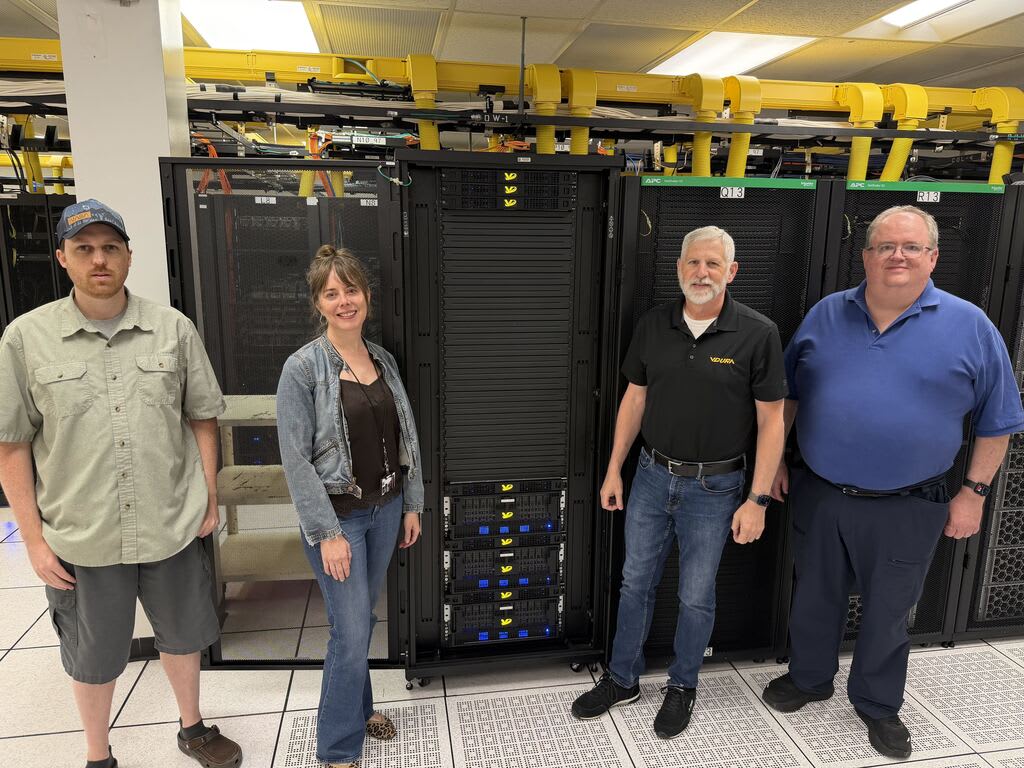
New Mexico State University (NMSU) announced the full production deployment of the VDURA Data Platform, live since August 2026. The system supports AI and HPC workloads across the university's research enterprise, which includes over $141 million in annual expenditures. The deployment builds on a strategic partnership formed in August 2025 to co-develop post-quantum cryptographic technology.

East Carolina University (ECU) announced an $8.5 million budget cut for this fiscal year, continuing its plan to save $25 million over three years. The cuts include reviewing academic and doctoral programs, merging the alumni affairs and development offices, and adjusting human resources, information technology, and research departments. Previously, the university saved over $6 million by eliminating approximately 44 academic programs. The university stated that these measures aim to proactively address financial pressures while protecting its core mission. Despite declining enrollment and reduced revenue, ECU has recently seen an uptick in enrollment, signaling a positive outlook for the future.

The conflict between Antioch University and the Common Interest Alliance (CCG) has escalated. The CCG executive committee voted on August 28 to dissolve Antioch's board and take over its bank accounts, prompting Antioch to sue and secure a temporary court injunction. The dispute involves contractual authority, financial issues, and leadership conflicts.

The U.S. Department of Justice announced on Monday that Ohio State University has agreed to pay $2.1 million to settle allegations that it failed to disclose faculty members' ties to the Chinese government while receiving federal research funding. The university did not admit wrongdoing but stated it had cooperated with the investigation and taken action against the professors involved.

Artificial intelligence (AI) is rapidly transforming higher education, bringing new opportunities for learning, research, admissions, and operations, but whether campus infrastructure can reliably, securely, and at scale support AI has become a focal point. This article explores the shift of infrastructure from the background to a strategic core, and how universities can address challenges through centralized monitoring, cross-team collaboration, and DCIM software.