


Latest news

Educational nonprofit ETS announced the acquisition of ACT, with the deal expected to close on July 1. The combined entity will serve 35 million people annually, coinciding with many universities reinstating standardized testing requirements. ETS will gain ACT's programs such as WorkKeys and plans to maintain its for-profit nature while operating with a mission-driven approach.
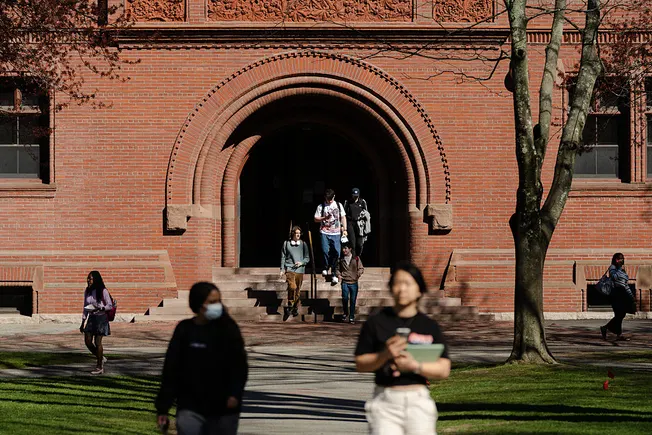
The U.S. Department of Education launched an online platform this year, disclosing data on foreign donations and contracts reported by universities under Section 117 of the Higher Education Act since 1986, with cumulative amounts exceeding $72 billion. However, education experts point out that the platform fails to annotate key context such as time ranges and funding purposes, which may cause misunderstandings, and they worry it could be used as a political tool.
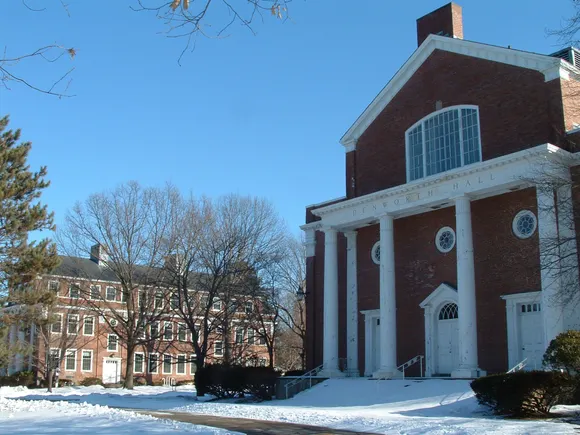
Northpoint Bible College, having lost accreditation earlier this year, decided to transition into Northpoint Bible School starting in September, offering a three-year non-degree ministry training program. President Tiff Shattlesworth stated that students can seamlessly transfer to multiple accredited religious colleges. The college faces financial difficulties, with tuition set to drop from approximately $28,000 to $7,700.

Google's threat intelligence team and Mandiant released a report on Thursday stating that the hacker group ShinyHunters exploited Oracle PeopleSoft software vulnerabilities to attack more than 100 organizations worldwide between May 27 and June 9, with 68% being higher education institutions. Many institutions successfully defended, but some had data stolen and made public. The University of Nottingham has confirmed that its student records system was compromised, with a large amount of data potentially leaked.

The rise of artificial intelligence has brought higher education to a crossroads, making a paradigm shift imperative. Paul A. Pavlou, Dean of the Patti and Allan Herbert Business School at the University of Miami (Miami Herbert Business School), points out that universities aspiring to lead in the new landscape shaped by AI must reimagine higher education as a hyper-personalized student journey empowered end-to-end by AI, interactive data, predictive analytics, and adaptive technologies. Through initiatives such as curriculum redesign, industry partnerships, AI minors and majors, and the "Miami Method," the school deeply integrates AI into the educational experience while emphasizing "human judgment in the AI era," cultivating future leaders with critical thinking and judgment who can explain, defend, or override AI outputs.

Hampshire College President Jennifer Chrisler said Monday that the college has secured a loan agreement, providing the financially troubled institution with the necessary resources to hold its final fall semester as scheduled. The college has reached an agreement in principle on a loan with a philanthropic partner, with final documentation expected to be completed in July.
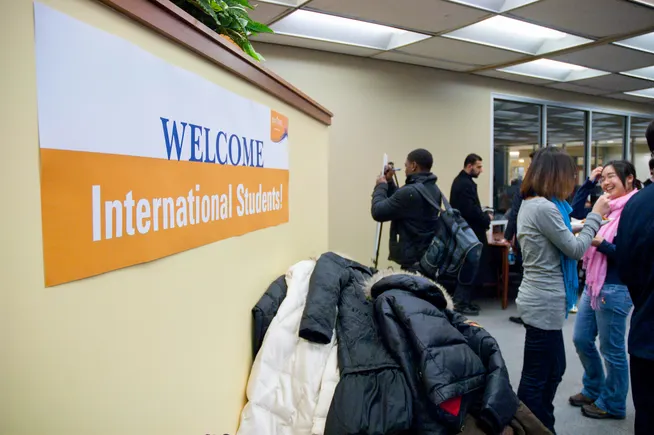
International student enrollment at U.S. universities is facing severe challenges. Data show that before the Trump administration returned to the White House, new international student enrollment had already declined; after continued policy tightening, issues such as visa revocations, declining application numbers, and shrinking enrollment from multiple source countries have compounded, putting pressure on university finances and enrollment prospects. This article uses six key data charts to outline the structural changes in international student flows and their impact on universities.
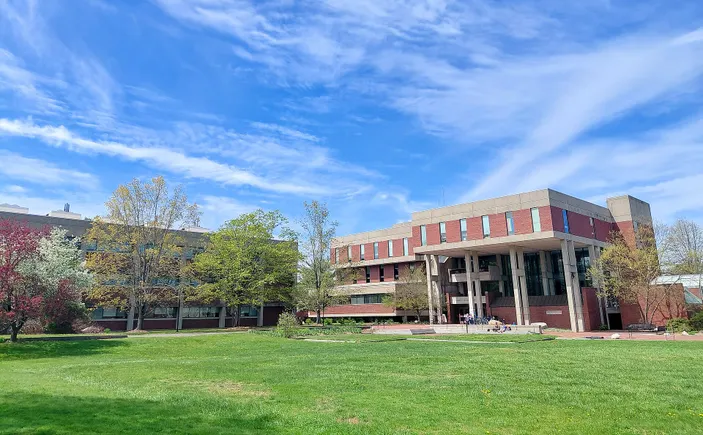
Hampshire College, already slated to close after the fall semester, may shut down earlier if it cannot raise sufficient funds. President Jennifer Chrisler cited a funding gap and vendor demands for upfront payment. The college is exploring options, while external efforts to save it continue.

The University of Miami School of Nursing and Health Studies is leveraging cutting-edge technologies, including AI agents, holographic patients, and immersive spaces, to transform nursing education. Under the leadership of Associate Dean Frank Guido-Sanz, the school utilizes a 41,000-square-foot simulation hospital, combining AI tools and holographic technology to enhance students' clinical judgment, teamwork, and systems thinking, aiming to address the nursing shortage and accelerate clinical readiness.

A recent Yale University report acknowledges that public trust in higher education is declining and that universities bear responsibility. The American Association of University Professors and the American Federation of Teachers have jointly launched a policy agenda calling for systemic changes such as free education, safeguarding faculty rights, and democratic governance to rebuild higher education as a public good, thereby winning back public trust.