


Latest news
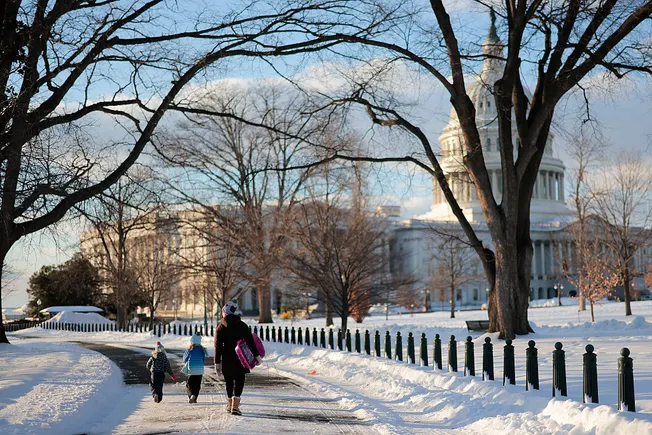
The U.S. Congress passed the Department of Education's fiscal year 2026 budget without prohibiting interagency agreements, but a bipartisan statement strongly opposes transferring core programs to other federal agencies.

US universities are facing pressure in international student enrollment. Although overall enrollment numbers remain stable, the Trump administration's visa and immigration policies have led to a noticeable decline in new student registrations. Universities are responding by expanding source countries and offering flexible admission options.

In the post-pandemic era, online learning has become a cornerstone of higher education. Data shows that in fall 2023, 54% of U.S. college students enrolled in at least one online course. Facing sustained demand growth, Chief Online Learning Officers (COLOs) need to drive innovation across four areas—professional expertise, strategic alignment, student support, and quality assurance—to promote institutional sustainability.

Signs from 2025 indicate that the higher education sector will undergo significant changes in 2026. The federal government continues to exert pressure, universities fight back through litigation, and policy adjustments and legal rulings will shape a new landscape. This article summarizes core issues to provide a forward-looking perspective for industry observers.
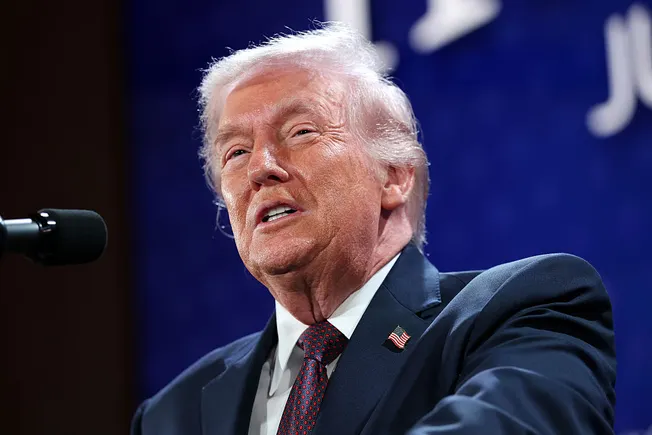
The policy turmoil of 2025 did not dissipate with the New Year's bell. Higher education experts warn that as the Trump administration continues its efforts to reshape the higher education landscape, more shocks are on the horizon. Campus leaders should prepare for federal pressure, including influence through new avenues such as accreditation, while continuing to address attacks on diversity, equity, and inclusion (DEI) initiatives. This article outlines four major policy trends to watch in 2026 and expert predictions.

The policies and actions of the Trump administration have triggered multiple legal challenges in higher education, involving research fund freezes, indirect cost caps, the elimination of DEI funding, student free speech, and campus speech restrictions in Texas. This article outlines five key lawsuits to watch in 2026, analyzing their progress and potential impact.
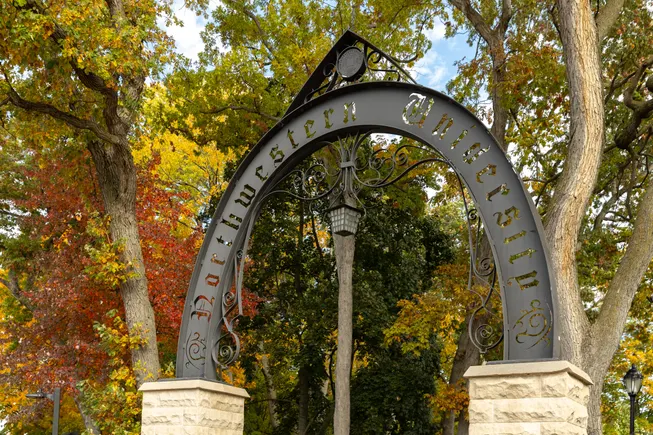
The $75 million agreement between Northwestern University and the Trump administration has sparked controversy over free speech. The agreement restricts racial considerations in admissions, campus displays, and overnight protests, and cancels agreements with pro-Palestinian protesters. Experts believe the agreement may violate the First Amendment.
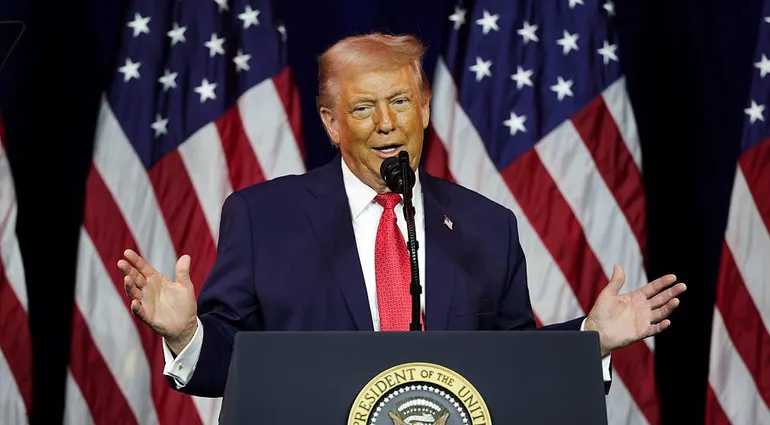
In the first year of Trump's second term, the federal government intervened in higher education through unprecedented means, prompting difficult choices for universities between independence and financial pressure. This article uses eight figures as a thread to review major changes, including the number of investigations, settlement agreements, research funding cuts, Education Department layoffs, and revocation of international student visas.

Trump's first year back in the White House brought profound changes to American higher education, and this trend is expected to continue in 2026. This article outlines six key trends affecting the higher education sector, covering federal enforcement, the role of university boards, budget cuts, the implementation of the OBBA Act, international student policies, and financial pressures.

The Trump administration's massive cuts to federal research funding have raised concerns among U.S. higher education researchers about their career prospects. Europe, China, Canada, and other countries are seizing the opportunity to step up recruitment. Experts warn that a talent drain could weaken America's innovation advantage, but also note that a large-scale exodus in the short term remains uncertain.