


Latest news

A new survey released by Instructure shows that 90% of college students use AI in the classroom, as do 61% of instructors. However, only 11% of higher education instructors have received comprehensive AI training, and 41% have not received any formal training. The survey also found that 65% of students and instructors are concerned about AI appearing confident even when it makes mistakes, and they call on institutions to provide practical training and clear guidance.
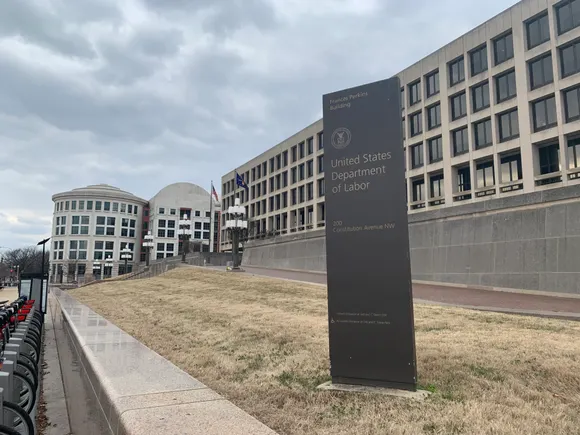
The U.S. Department of Labor issued three final rules eliminating affirmative action requirements for federal contractors, including removing the 7% disability employment goal and adjusting contract coverage thresholds. The rules are based on Trump's 2025 executive order and take effect in phases.
PayPal and its peer-to-peer payment tool Venmo have completed integrations with three university payment technology companies, allowing students and parents at some U.S. universities to now pay tuition directly via Venmo or PayPal. This marks the first time this payment method has been directly integrated into official school payment portals.
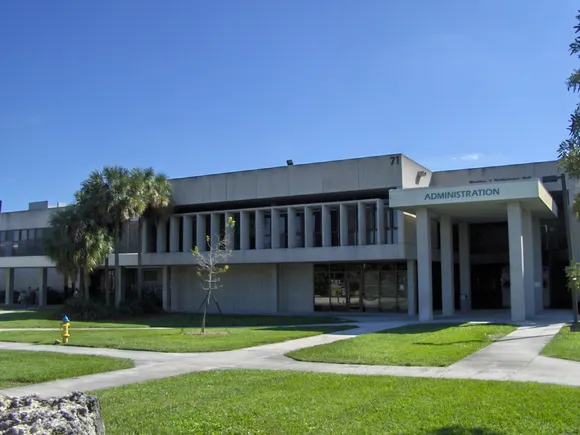
The Broward College Board of Trustees and President Torey Alston reached a mutual termination agreement on Tuesday, ending a turbulent removal dispute. Under the agreement, Alston will receive $430,000 and immediately resign as president, while withdrawing his lawsuit and HR complaint. Previously, the board had attempted to terminate Alston without cause, but the court required mediation first.
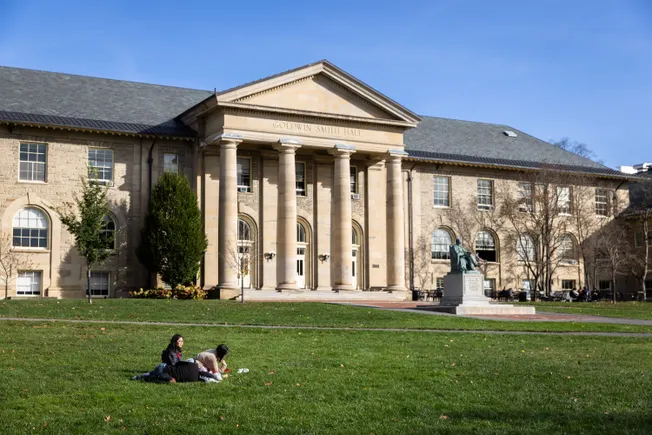
The U.S. Seventh Circuit Court of Appeals ruled on Monday that Cornell University, MIT, and five other elite universities may appeal the class certification in the antitrust lawsuit, with the appeal limited to whether the district court's analysis of expert testimony was sufficient. Previously, potential damages in the case rose from $100,000 to at least $1.7 billion due to class certification.
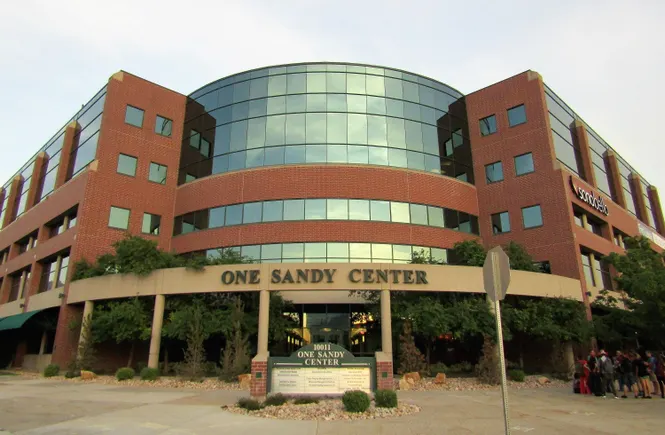
The University of Utah, due to a state directive requiring the reallocation of nearly $20 million in funds, has decided to close its Sandy satellite campus on January 1, 2026. The campus primarily offers general education courses, and its closure is expected to save on facility and administrative costs. Fall courses will proceed as usual, with only 33 of the approximately 660 students relying solely on courses at this campus.
U.S. Department of Education staff released a report on Friday recommending revocation of federal recognition of the American Bar Association (ABA) Council on Legal Education and Admissions. The council accredits nearly 200 law schools, but only directly affects federal student aid eligibility for over a dozen independent legal education institutions. The dispute between the Education Department and the ABA centers on accreditation independence and diversity standards, with a hearing scheduled for September 23.
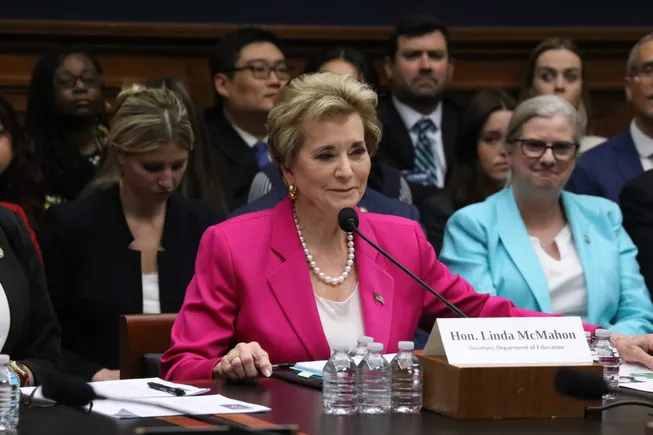
On August 24, the U.S. Department of Education published a proposed rule in the Federal Register aimed at amending the Department of Education's General Administrative Regulations, granting the agency broader authority to terminate grants, including terminating discretionary grants for 'convenience,' requiring recipients to comply with executive orders, and allowing for phased or delayed disbursement of funds. Experts note that this will make grants more susceptible to policy changes and may trigger legal disputes.
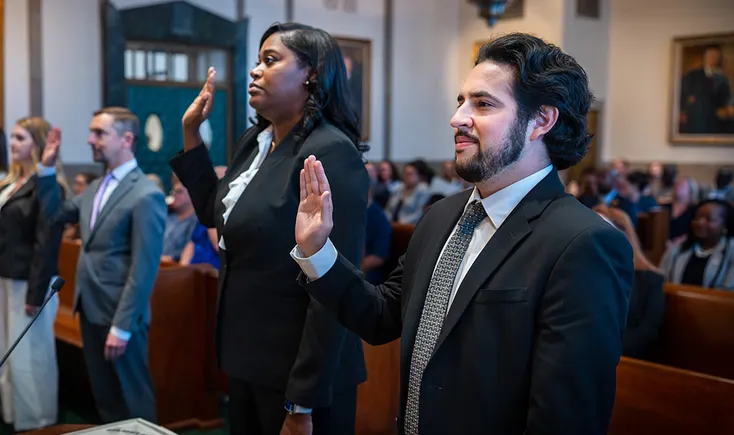
In this article, the dean of Elon Law School reflects on how the school, through cultural change, increased first-time bar exam pass rates from 51.2% to 90.9%. The article emphasizes that culture is what a community collectively values, and through slogans, high expectations, and comprehensive support, the school successfully transformed students' attitudes toward the exam, also boosting application numbers and fundraising.
A report released by Common App on Thursday shows that international first-year applications for the 2025-26 cycle fell 10% compared to the previous cycle. Asian applicants decreased by 11%, with India recording a 15% drop, serving as the main drag. Among the top 10 countries by application volume, 9 saw declines, with only Kenya growing by 30%. Overall applications from Africa fell 17%, with Nigeria down 21%. Meanwhile, domestic U.S. applications grew 4%, pushing total applications up 2%. Analysts suggest that the Trump administration's visa restriction policies and visa appointment shortages at some embassies are potential contributing factors.