


Latest news

A recent poll by Lumina Foundation and Gallup reveals that while a majority of college students (55%) believe their institutional leaders act in their best interests, trust is lower at top-ranked universities. Approval of campus policies is high (79%), but students are less favorable toward state and federal lawmakers' policies. Political divides are evident, with Republican students more approving across all levels. The findings come amid broader public skepticism about higher education.
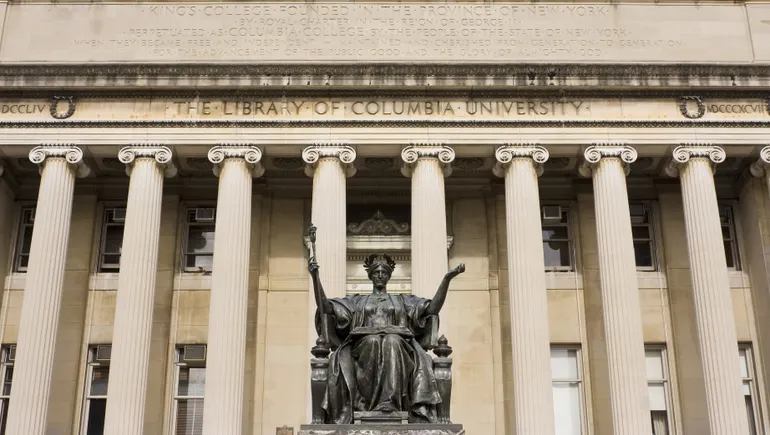
Columbia University faces a civil rights lawsuit from Palestinian students and employees who allege the Ivy League institution acted with deliberate indifference to harassment and actively participated in racially, ethnically, and politically motivated targeting. The complaint, filed Monday in New York County Supreme Court, seeks damages and court intervention, citing failures in handling discrimination complaints, viewpoint discrimination, and doxxing.

In January 2025, Sonoma State University announced cuts to academic programs and NCAA athletic programs due to a $24 million budget shortfall, sparking protests and lawsuits. Subsequently, the university received $45 million in one-time state funding and began gradually restoring some programs. Interim provost Stacey Bosick revealed that 7 of the 19 suspended programs have returned in adjusted forms, including physics, geology, and history. She emphasized that through streamlined curricula, interdisciplinary integration, and dialogue with employers, small-scale programs can also survive sustainably.

Columbia University announced the reinstatement of standardized testing requirements for undergraduate applicants starting August 2027, making all eight Ivy League institutions abandon their pandemic-era test-optional policies. Top schools such as MIT and Johns Hopkins University had already reinstated requirements earlier. The Trump administration also explicitly supported standardized testing requirements, but its related executive order was struck down by courts. Nevertheless, over 2,000 colleges nationwide still maintain test-optional policies, and the debate over the fate of standardized testing continues to intensify amid data and equity issues.
Minnesota State University, Mankato announced this week that, to address a $22 million budget shortfall over the next two years, it will cut 60 positions, including laying off 17 employees, and plans to raise tuition by 6.37% for fiscal year 2027. President Edward Inch stated that the financial imbalance is structural, with operating costs continuing to rise while tuition revenue and state support have not kept pace. The union criticized the layoffs for primarily targeting frontline faculty and staff, involving only two administrative positions.
The Heritage Foundation released a comprehensive model bill on Tuesday, aimed at helping state legislators implement the higher education contract principles proposed by the Trump administration last year. Building on institutional neutrality and bans on race-based scholarships, the bill further proposes restricting student visa processing, increasing state influence over faculty hiring, and potentially holding colleges accountable for federal debts of students who fail to graduate within eight years.
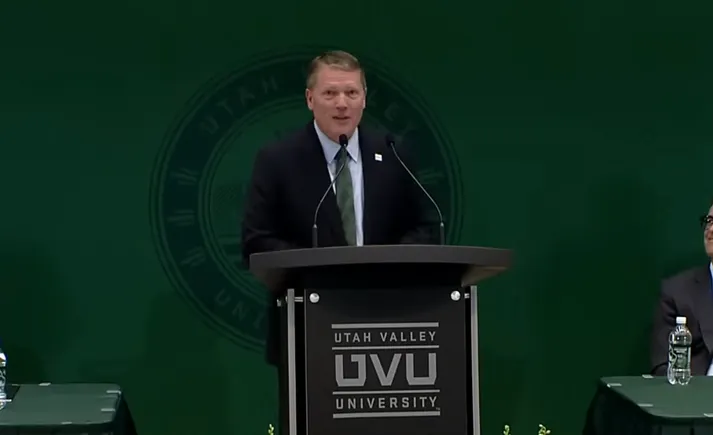
July is the peak season for leadership transitions at U.S. universities, but this year, the transition process at many institutions has not gone smoothly. Clemson University quickly found an alternative after its president-elect changed plans at the last minute, the University of Florida finally welcomed a new president after a turbulent journey, and the College of the Florida Keys faces legal challenges over the sudden dismissal of its president.

Higher education expert Ricardo Azziz, drawing on his own experience leading university mergers, explores the true role of culture in institutional mergers, noting that while culture is important, it does not always override strategy.
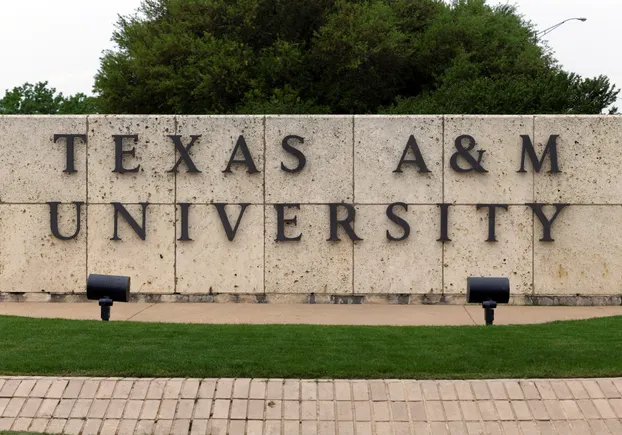
The American Association of University Professors (AAUP) and four professors filed a lawsuit on Monday, alleging that the Texas A&M University System's policy restricting race and gender teaching violates professors' free speech and due process rights, and are asking a federal judge to block the policy and restore canceled courses. The system revised its policy last fall, prohibiting courses that 'advocate for racial or gender ideologies,' but allowing certain graduate and non-core courses to be taught with presidential approval.
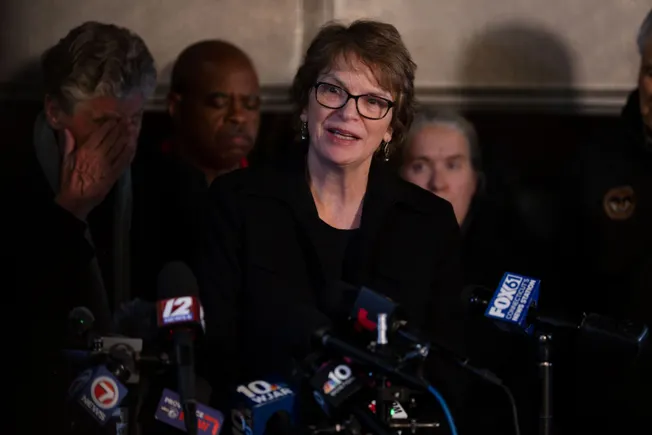
Brown University President Christina Paxson announced on Monday that she plans to step down at the end of the 2026-27 academic year. Paxson has led the Ivy League institution since 2012, with her tenure reaching 15 years. The university stated that it will launch a nationwide search for her successor and simultaneously begin a new round of strategic planning.